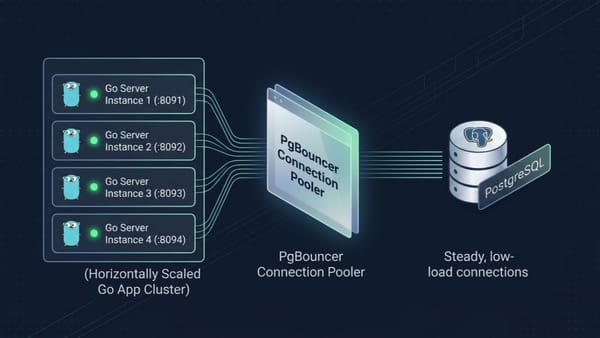
কি হবে যদি আপনার ব্যাকএন্ডে রাতারাতি ১০,০০০ কনকারেন্ট ইউজার রিকোয়েস্ট হিট করে?
যেমন ধরুন—ইভেন্টের টিকিট বুকিং, ফ্ল্যাশ সেল কিংবা কোনো ভাইরাল ক্যাম্পেইনে প্রতি সেকেন্ডে হাজার হাজার ইউজার একযোগে পারচেজ

যেমন ধরুন—ইভেন্টের টিকিট বুকিং, ফ্ল্যাশ সেল কিংবা কোনো ভাইরাল ক্যাম্পেইনে প্রতি সেকেন্ডে হাজার হাজার ইউজার একযোগে পারচেজ
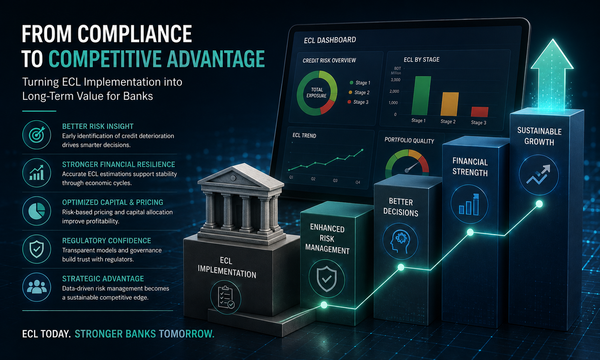
A successful ECL implementation cannot depend on scattered spreadsheets. The framework requires regular data collection, model execution, scenario analysis, calculation, approval, reporting, and auditability. That means banks need a technology architecture that can support the full ECL lifecycle. Why Excel is not enough Excel may be useful during early analysis
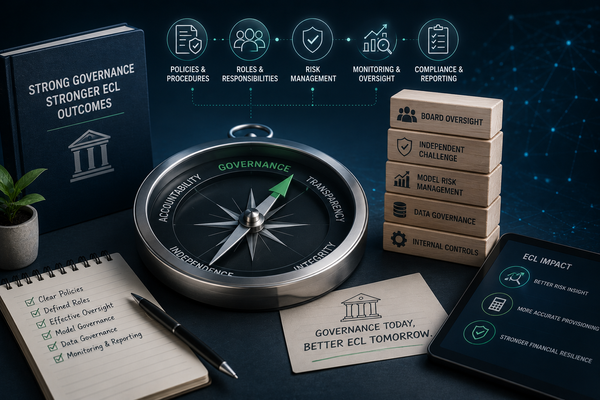
Many people think ECL is only about provisioning. That is only part of the story. Expected Credit Loss will affect how banks approve loans, monitor portfolios, price risk, plan capital, report to boards, and communicate with regulators. In other words, ECL is not only an accounting requirement. It is a
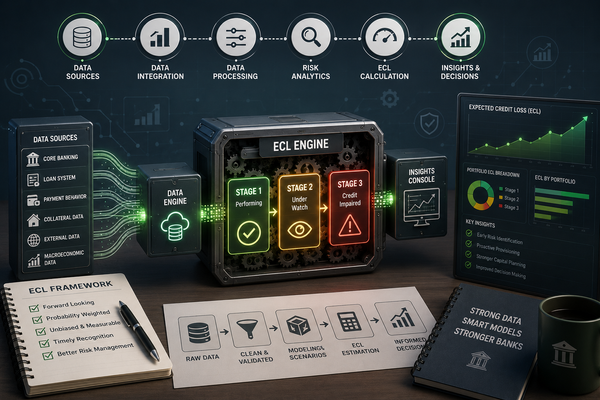
Most ECL projects do not fail because people misunderstand IFRS 9. They fail because the required data is missing, scattered, inconsistent, or unreliable. Expected Credit Loss depends on models. Models depend on data. If the data is weak, the ECL output will also be weak. That is why data readiness
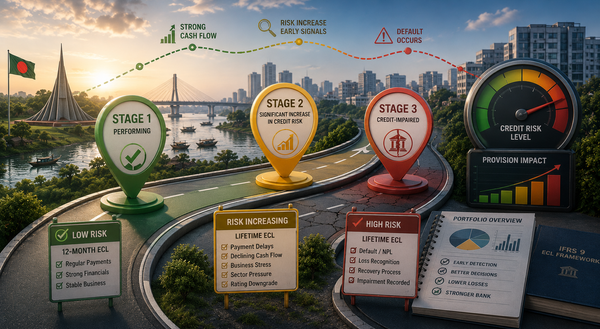
Every loan has a life story. It starts with approval, disbursement, repayment, monitoring, and eventually closure. But during that journey, the credit quality of the borrower may change. A borrower may begin as financially strong. Later, cash flow may weaken. Eventually, the borrower may become unable to repay. IFRS 9
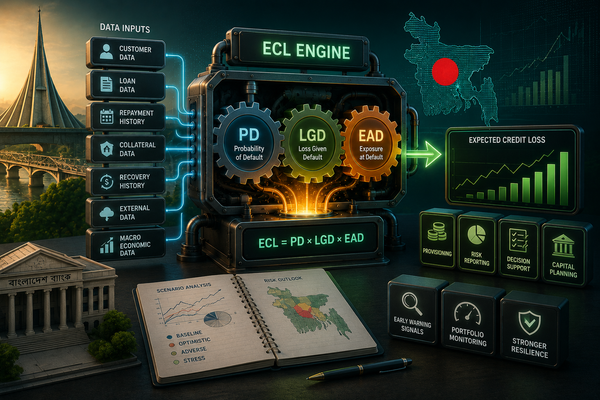
When people hear “Expected Credit Loss,” they often think of an accounting calculation. But in practice, ECL is much more than a formula. It is a risk prediction framework that brings together data, models, assumptions, economic forecasts, and governance controls to estimate how much loss a bank may face in
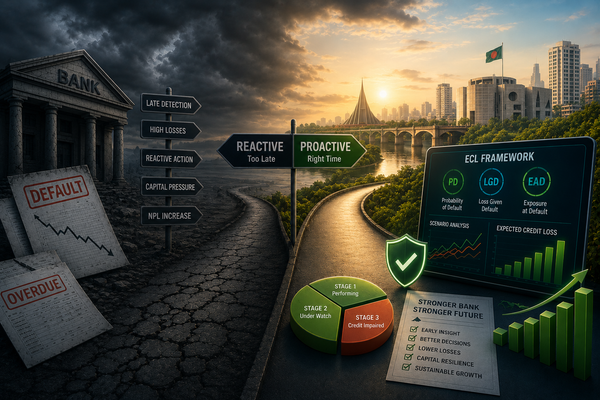
A borrower rarely becomes risky overnight. A trading company may continue paying installments on time, while its sales are already declining. A manufacturing client may still look healthy in the core banking system, while raw material prices, exchange rate pressure, or falling export orders are silently weakening its cash flow.
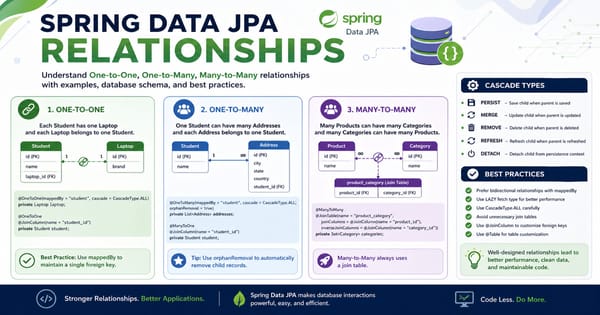
Master @OneToOne, @OneToMany, and @ManyToMany with Real Code Examples What You Will Learn This guide covers all types of JPA entity relationships — @OneToOne, @OneToMany, @ManyToMany — with uni-directional and bi-directional variants, cascade types, fetch strategies, and the @Table annotation. Each section includes annotated code examples and the resulting database schema, so

A walkthrough of every system, switch, and compliance checkpoint a single remittance dollar passes through on its way from a sender abroad to a beneficiary in Bangladesh.
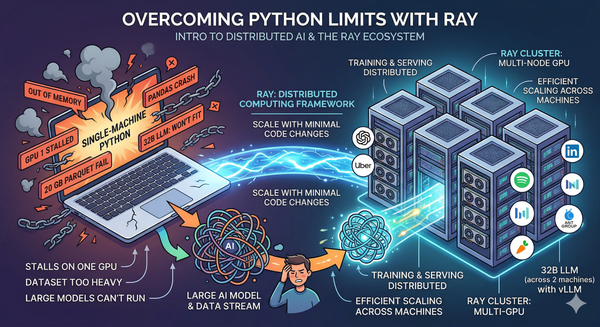
A hands-on walkthrough of Ray's full stack - ending with a real deployment that splits a big model across two nodes. As AI models grow larger and datasets grow heavier, single-machine Python hits its limits fast. Training stalls on one GPU while others sit idle. Pandas crashes on

The new SWIFT Payments Scheme introduces enforceable rules, a Gateway Intermediary model, and a December 2026 deadline. We break down what it means for Bangladesh's banks — and what it takes to get there.
হ্যালো ডেভ 👋, আজ আপনাদের সাথে শেয়ার করতে চাই আমার React Native & Next.js প্রজেক্টে npm থেকে pnpm-এ মাইগ্রেশনের অভিজ্ঞতা। সম্প্রতি প্রজেক্টের node_modules
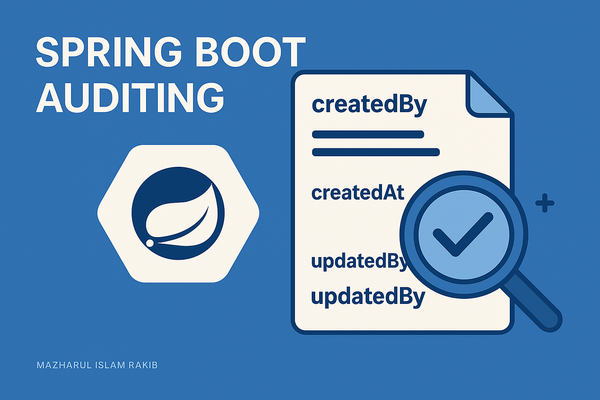
Auditing allows you to automatically track who created or last modified an entity and when it happened. Auditing plays a critical role in any serious application—from internal business systems to public-facing platforms. Why JPA Auditing is Important: Implementing auditing in your Spring Boot application has several real-world benefits: Benefit

The Invisible Threat Lurking in Your API Imagine you're sending money to a friend via a payment app. You tap "Send," and the payment goes through. But suddenly, a hacker intercepts and resends the same request — without your permission. Your money is sent twice. 😱 This isn’